Best Ice Melt for Home Use: Safe, Effective Options & Application Guide
The Problem and Solution We Address
Here Let’s be honest, winters can be brutal. Snow and ice can turn your once-friendly walkways into slick, treacherous paths. But not all ice melt solutions are created equal – some are just okay, some are better, and a few are genuinely smart choices if you have families or pets around. I’ve learned that choosing the right ice melt is crucial for keeping your home and everyone on it safe this winter.
Choosing the Right Ice Melt: Why It Matters for Your Home
When you’re shopping for ice melt, there are a few key things to consider. First off, the best ice melt for home definitely needs to work well. It also needs to be safe – safe for your pets, safe for the environment, and safe for your family. Honestly, safety should always come first, but we still want it cleared.
Understanding the Need for Safe Ice Melt Options
Safety should always be your number one priority. Look, safe ice (or) melt options can really help prevent slips and falls. And here’s the deal – falls are actually one of the leading causes of injury during the winter months. So, yeah, it’s not just a good idea; it’s really essential to choose products that won’t harm your family or pets. Period. It’s a bit of a trade-off, isn’t it?
Categorizing Home Ice Melting Products
To help you decide which ice melt product is best for your home, let’s break it down a bit. There are eco-friendly and pet-safe options – these are great if you have plants or animals around. Then there are budget-friendly choices, like traditional rock salt. And finally, there are high-performance solutions, usually for faster results. It really depends on what you need and what you’re willing to compromise on.
Eco-Friendly & Pet-Safe Melt Options
Eco-friendly melts are often made from natural stuff, like calcium chloride or sodium acetate. Sodium acetate, for example, looks like a pink powder. It’s generally pet-safe and breaks down pretty easily. The main way it works is by lowering the freezing point of water, which causes ice to melt. Does that sound familiar? It works differently than rock salt, for sure.
Budget-Conscious & Traditional Choices
If you’re looking for something more budget-friendly, traditional options like rock salt (sodium chloride) still hold up pretty well. They’re effective, no doubt. But they can be tough on concrete and a bit harsh on pets. Still, they’ve been around a long time – kind of that tried-and-true thing. It’s like that old car you can’t bring yourself to ditch.
High-Performance & Fast-Acting Solutions
For those who need quick results, high-performance ice melts are a solid bet. Think potassium acetate or calcium magnesium acetate (CMA). These usually work faster, even when it’s super cold outside. They can handle harsher conditions quite well. I have to admit, they can feel like you’re spending way too much for a single driveway, but they get the job done fast.
Key Product Types for Effective Home Ice Melting
Now, let’s look at some specific product types you might come across:
Urea-Based Melts: Pros, Cons, and Best Uses
Urea-based melts are popular, mainly because they’re safer for pets and plants. They work through a chemical reaction where urea helps convert to ammonia, breaking down the ice. However, their effectiveness drops way below freezing temperatures. Sound familiar if you’ve dealt with intense cold snaps? Yeah, they just aren’t cut out for extreme weather.
Calcium Chloride: The Fast Melter (with Cautions)
Calcium chloride is known as one of the fastest-acting melts, especially for heavy ice or when temps are super low. But it comes with warnings – it can be corrosive and, if not handled right, might be harmful to your pets. Know what you’re dealing with. It works fast, but the price tag can be steeper than rock salt.
Sodium Acetate (The Pink Stuff): A Safer Choice
Sodium acetate, often called the pink stuff because of its look, is a popular alternative. It’s gentler on pets and plants. Its job is to lower the freezing point of water, making it a great pick if you’re trying to avoid harsher chemicals. It’s a common choice, so you’ll find it easily.
Potassium Acetate: Another Pet-Friendly Option
Potassium acetate is another solid pet-friendly option. It has a higher melting point, which makes it work better in freezing temperatures. That’s a big plus for really cold areas where rock salt usually fails. It’s often used for driveways and paths.
How to Use Ice Melt Safely: A Step-by-Step Guide
Okay, now we know the types of ice melt, let’s talk about using them safely:
Step 1:
Preparing the Surface Before you even think about applying melt, clear your walkways and driveways. Get rid of as much snow and ice as possible with a shovel or broom. Starting clean makes a difference. Less melt needed, less mess overall.
Step 2:
Applying the Correct Amount of Melt Always check the product instructions for how much to use. Using too much can waste money and potentially harm plants or pets. It’s easy to overdose without even realizing it.
Step 3:
Spreading for Even Coverage Pick up a spreader (or even just a big flat shovel) and get it even. Cover everything you need to treat. Be smart about runoff too – maybe avoid applying directly near garden beds. Or maybe you should? I’m not an expert on all the environmental nuances.
Exploring DIY Ice Melting Alternatives
If you’re feeling crafty, there are some natural homemade ice melt ideas worth looking into. My neighbour swears by a mix of kitty litter and salt for quick patches, but I’ve seen people try weird combinations – honestly, it’s probably best sticking to tested products unless you’re confident.
Effective Homemade Ice Melting Paste Recipes
One simple eco-friendly paste recipe mixes rock salt with molasses. The sweetness helps keep critters away, and it also changes how the salt works a bit. It’s less likely they’ll just scarf it down. Less likely, maybe, than the cookie dough nobody else is baking though.
Using Grits, Ashes, and Ashes: Pros and Cons
Things like sand or wood ashes can help create grip on icy spots without melting them. They’re generally safe for the ground and your pets. The catch? They don’t melt anything; they just improve traction, which is totally different from a traditional melt. It’s like putting down kitty litter versus using a de-icer.
Essential Safety Tips for Using Ice Melts
Finally, let’s cover some non-negotiable safety tips when using ice melts:
Avoiding Hazardous Chemicals (List & Explanation)
Steer clear of any products that contain calcium chloride or sodium acetate if you have curious pets or little kids running around. Swallowing these can cause problems. Read the labels carefully! Or, better yet, don’t let them anywhere near the deicer if you’re not watching closely.
Protecting Your Skin and Surfaces
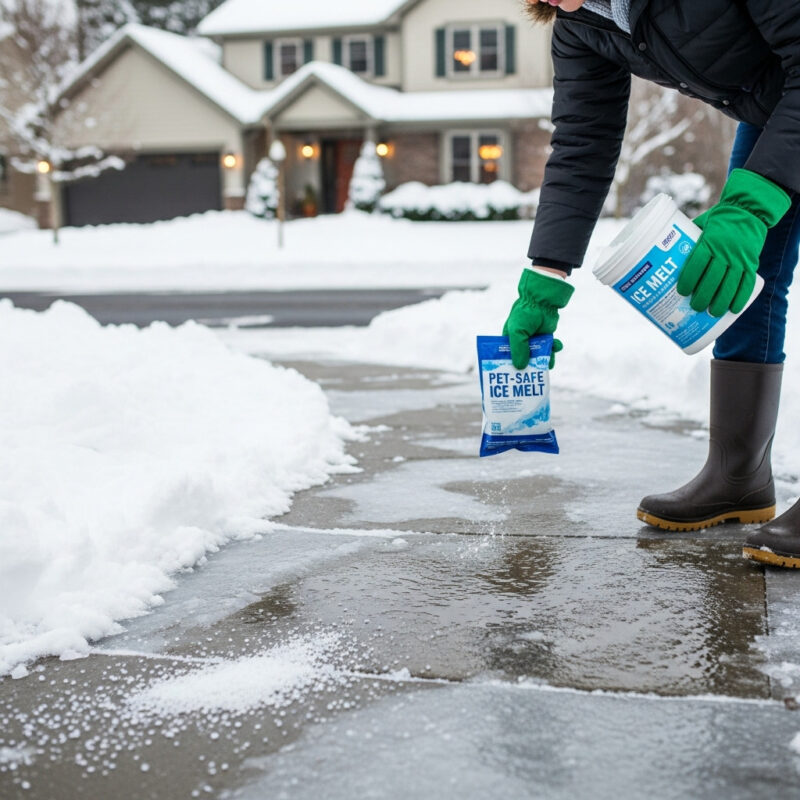
Always wear gloves when handling any ice melt product. It’s really irritating to have bare skin exposed to salt and chemicals like calcium chloride. Also, don’t forget that some products can harm your lovely garden plants if you’re not careful. Seriously, I can’t stress enough the need to wear gloves.
Proper Disposal
Think about where the used melt goes. Don’t just dump it on the lawn or pour it down the drain, especially if it’s chemical-laden stuff. Sweep it up and dispose of it properly – maybe in the trash or designated hazardous waste. It’s easy to forget.
The Verdict: Finding Your Balance
Ultimately, finding the best ice melt comes down to balancing effectiveness, cost, safety for your family and pets, and impact on the environment. Sometimes that means choosing a quick fix, other times it means being patient and using manual labour. Good luck out there this winter!
Disclaimer: This article is for informational purposes only. Always consult the product label and local guidelines before applying ice melt, and take appropriate safety precautions to prevent injury or property damage.