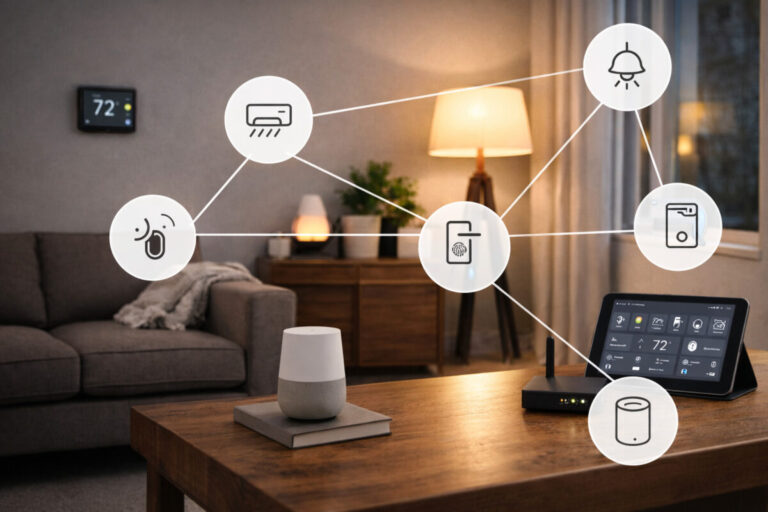
Smart Home Devices That Actually Save You Money on Bills
The idea of cutting costs at home is pretty appealing. Smart home tech isn’t just about convenience anymore; many gadgets are designed specifically to help you save cash. I’ve found that focusing on devices with proven energy-saving features can really add up over time. So, what are we talking about? Let’s break it down.
Smart Thermostat: The Heavy Hitter
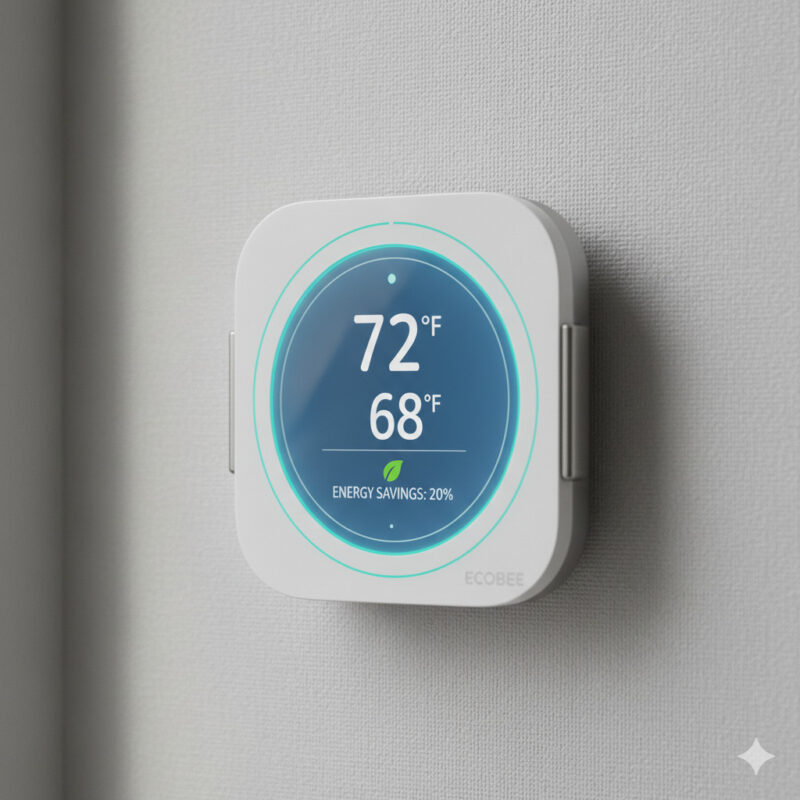
First up, the smart thermostat. This isn’t just a fancy thermometer; it actively learns your schedule and adjusts itself. Think about it: it knows when you’re away and can automatically adjust the temperature accordingly. You can also control it remotely via your phone, which is super handy. Plus, many models provide energy reports, giving you insights into your usage. Here’s the thing, the real savings are significant. Why? Because heating and cooling typically eat up about 50% of your energy bill. The payback period for a smart thermostat is usually pretty quick, around 8 to 12 months. Setup might require a bit of know-how, maybe needing an electrician, so check your comfort level or hire someone.
Smart LED Bulbs: Small Changes, Big Impact
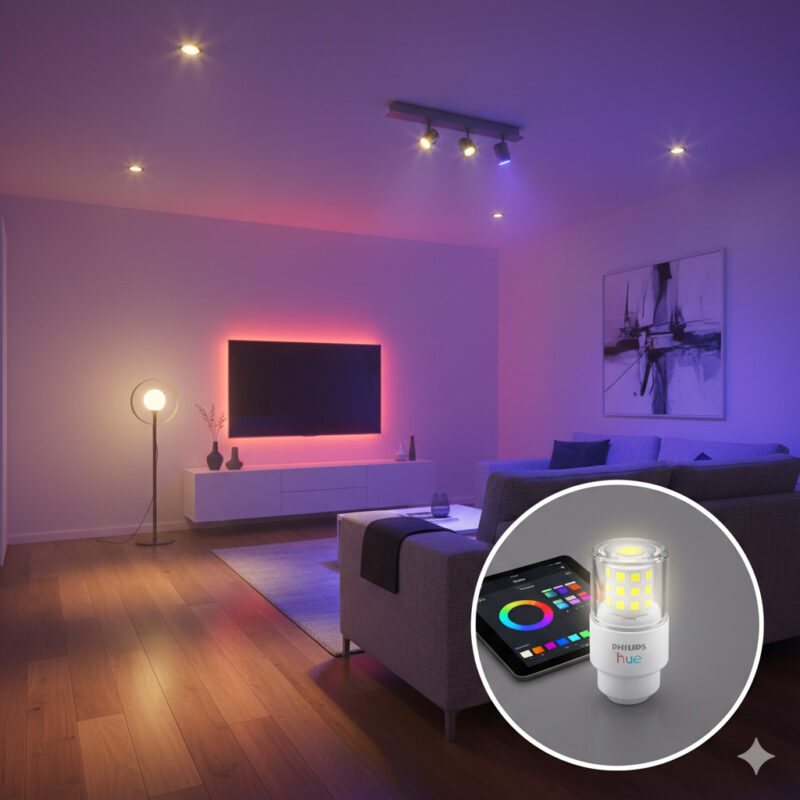
Moving on, let’s talk about lighting. Smart LED bulbs are another fantastic option. They’re not just about changing colors or scheduling on/off times (though that’s cool!), they’re energy hogs killers. Regular incandescent bulbs? Basically dinosaurs compared to LEDs. These little bulbs use 75% less energy and last much longer – up to 15-25 years versus just one year for an incandescent. Payback is usually under a year, often 6-8 months. Setup is generally super easy – just screw them. Start with the rooms you use most, set schedules to turn off lights at sunrise if possible, and use motion sensors where it makes sense, like hallways. It’s easy to see how these little bulbs add up.
Smart Power Strips: Kill Vampire Energy
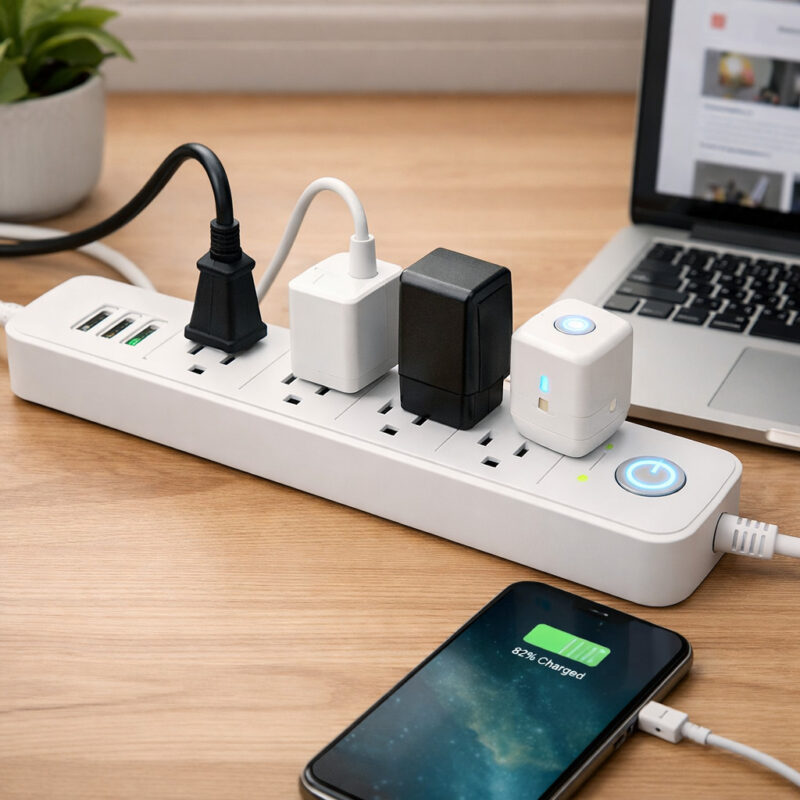
Ever notice your electricity bill rising even when you’re not using much? It could be ‘phantom drain’ or ‘vampire energy’ – the power that appliances still draw even when they’re turned off or in standby mode. This sneaky energy drain can add up. Smart power strips tackle this head-on. They allow you to cut power to devices plugged in when not needed, eliminating that standby power consumption. Think gaming consoles, chargers, TVs – all those things benefit from being able to be completely unplugged with the flip of a switch or a button in your app. The savings here are real. By actively managing these, you see the money slip back into your wallet. The payback period is often very fast, sometimes just a few months. These are generally plug-and-play devices, making them one of the easier smart home investments. Just identify the energy hogs (maybe start with entertainment centers or home offices) and plug them into the smart strip.
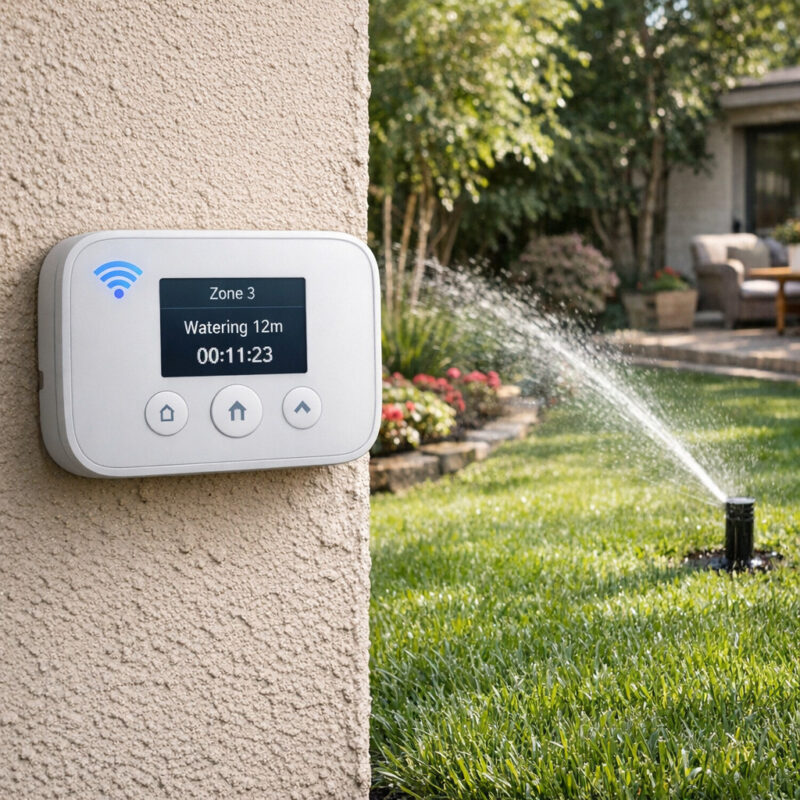
Smart Irrigation Controllers: Water Wisely
Watering your lawn or garden automatically makes sense for saving time and ensuring your plants get the right amount, but did you know you can save money? Smart irrigation controllers use weather data and soil moisture sensors (sometimes) to water smarter, not just more. They can skip watering when it’s already raining, or adjust schedules based on temperature and humidity. This prevents overwatering, which wastes water and potentially damages plants, leading to higher replacement costs. While the direct energy savings from the controller itself might be modest, the primary benefit here is reduced water usage, which directly impacts your utility bill (especially in dry areas). Plus, many utility companies offer rebates for installing these types of water-saving devices, essentially giving you money for saving water. It’s a smart move both for your wallet and the environment.
Smart Leak Detectors: Prevent Future Costs
While not directly saving energy, smart leak detectors are a crucial safety device that can prevent massive, unexpected costs down the line. They detect water leaks (from pipes, appliances, etc.) and alert you instantly, often with audible alarms and notifications. A burst pipe or a slow leak can cause thousands in damage repairs and potential mold issues. Installing a smart leak detector provides peace of mind and can literally save you from a financial disaster. It’s an investment in protection, not just savings, but it avoids future costs.
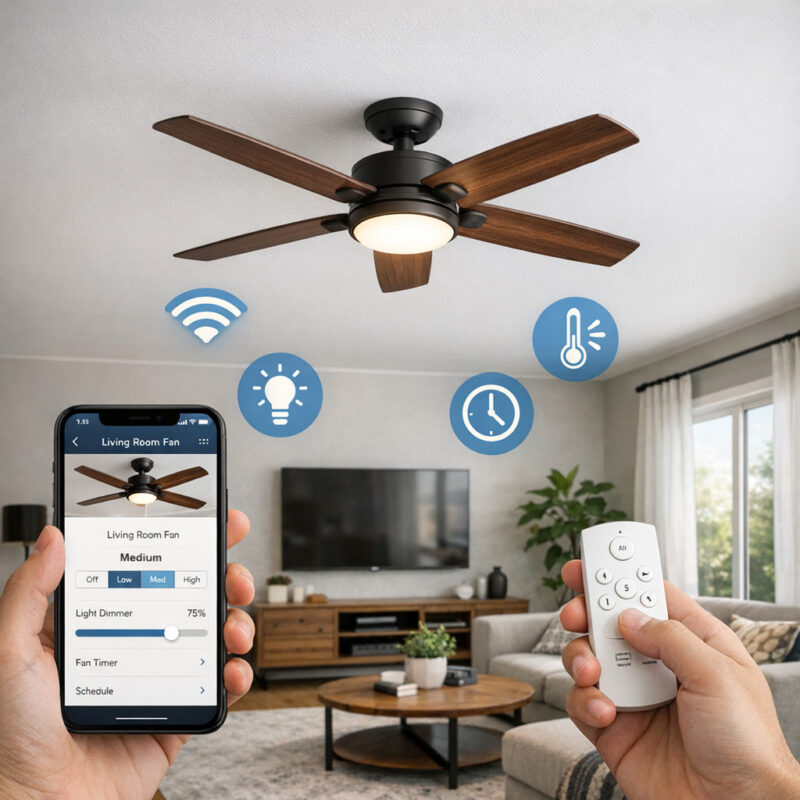
Smart Ceiling Fans: Beat the Heat (and Cold)
Ceiling fans are simple, but smart versions can be even better. They integrate with your thermostat and can automatically adjust direction based on the season (warm air rises in winter, cool air sinks in summer). Some models even turn off if they detect no one is in the room. This integration and automation ensure you’re always getting the most efficient climate control. Fans use very little energy compared to AC or heat pumps, but their smart features help them work more effectively with your main heating/cooling system, leading to less time those big systems run and significant energy savings. Pair them with your smart thermostat for optimal results.
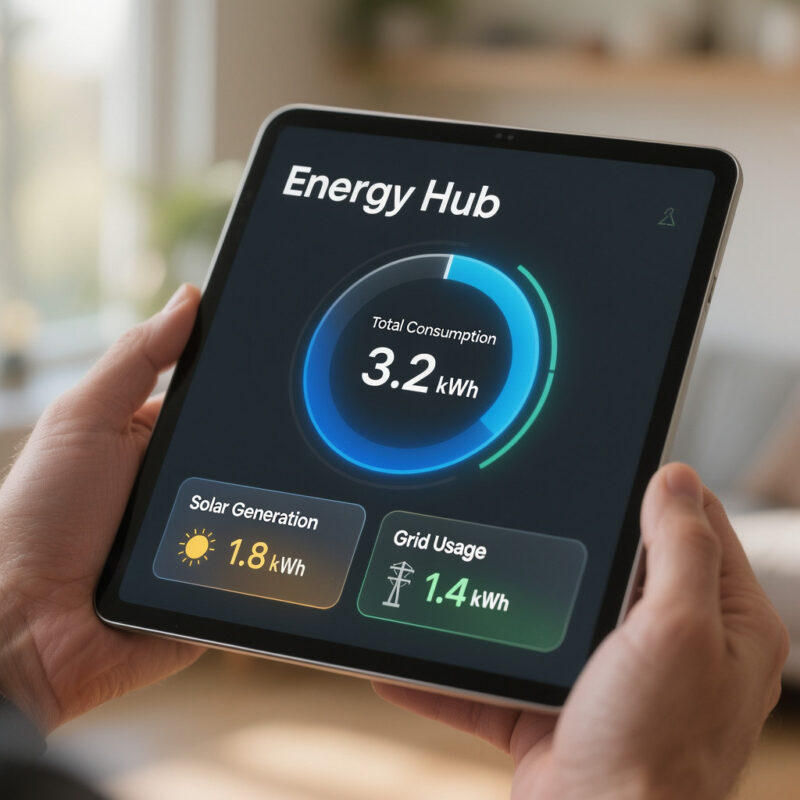
Smart Energy Monitoring Systems: See Where Your Money Goes
Want to know exactly where your energy dollars are going? Smart energy monitoring systems give you that visibility. They track electricity usage in real-time, often down to the circuit level, and can show you exactly which devices are gobbling up power. Some systems even allow you to set budget alerts or gamify your energy reduction efforts. The power of knowledge is strong here. Studies show that simply monitoring your usage can lead to a 5-15% reduction in consumption, translating to savings. For example, someone might discover an old refrigerator in the garage costing $180 a year to run and decide to replace it. Monitoring can pinpoint these issues before they become major problems. These systems often require professional installation (electrician recommended) but pay for themselves in about 6-12 months through reduced usage.
Common Mistakes to Sidestep
Even with good intentions, you can miss out on savings if you make some common mistakes. Don’t just buy based on hype.
Mistake #1: Buying Without Measuring.
Use a Watt meter to check your actual energy usage. Focus your smart home investments where they’ll have the biggest impact.
Mistake #2: Ignoring Compatibility.
Make sure the smart device you buy works with your preferred voice assistant (Alexa, Google Home, etc.) and ideally, look for Matter-compatible devices for better cross-platform support now and in the future.
Mistake #3: Not Using Automation.
Smart devices don’t save you money if you just use them like regular appliances. Set up routines and automations so they work seamlessly in the background – that’s how you maximize savings.
Mistake # 4: Forgetting Utility Rebates.
Check websites like DSIREUSA.org or your local utility company’s website. There are often generous incentives for smart thermostats, LEDs, and more.
Mistake #5: Analysis Paralysis.
Don’t get overwhelmed. The best approach is often to start small. Pick one device, install it, see how it performs, and then add another. Rome wasn’t built in a day, and neither is a smarter, cheaper home.
The Takeaway
Smart home devices aren’t just futuristic gadgets; they’re practical tools for saving money. From learning the climate control habits of a smart thermostat to unplugging phantom loads with smart power strips, the potential savings are real. I’ve seen homeowners cut hundreds of dollars a year by strategically implementing these technologies. The key is to research, prioritize based on potential savings, set up automations, and take advantage of rebates. Start smart, see the results, and watch your utility bills shrink.