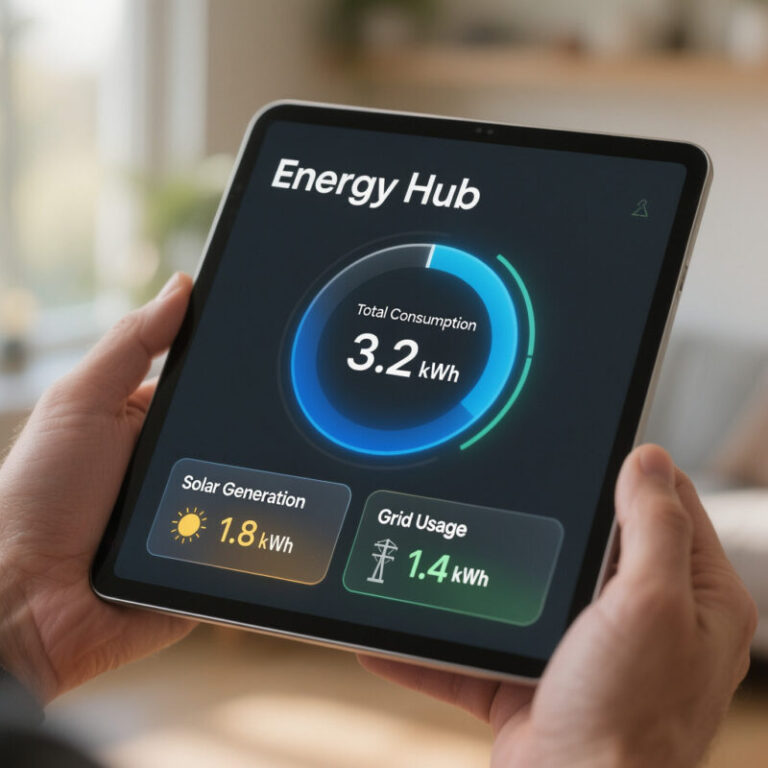
Smart Switch Without Wi-Fi: A Smarter Way to Automate Your Home
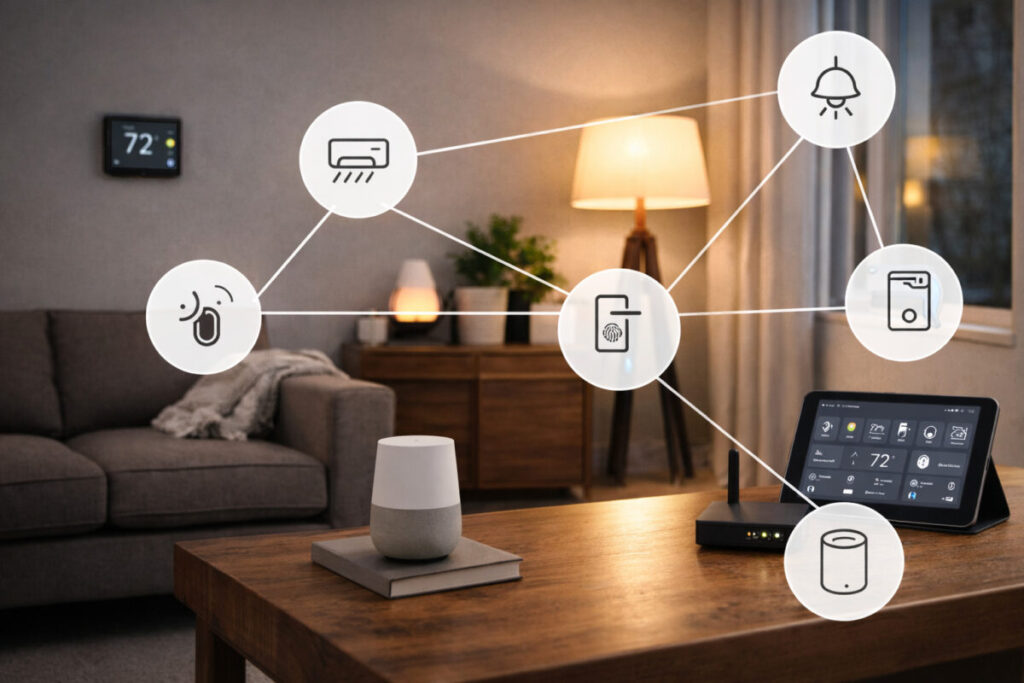
Okay, let’s dive into this smart switch stuff! Forget those fancy Wi-Fi gadgets for a sec, because there’s something better lurking in the background: the local-first smart switch.
You know, smart homes are supposed to be cool, right? Sleek, reliable, and ready for whatever tech comes next. But a lot of the Wi-Fi smart switches out there feel a bit… fragile. They rely on the cloud, your phone, and basically the internet being always on. That sounds smart, sure, but honestly, it feels like a recipe for disaster sometimes.
Ever had one of those moments where you wanted your smart light on, but the app was down, or the internet blinked? Or maybe you’re worried about what happens if the company behind the switch suddenly decides to shut down their cloud servers? It can happen, and it makes you wonder if you’re really relying on something solid.
That’s where the local-first approach comes in. Think Z-Wave 800 series or Zigbee 3.0 – these are the unsung heroes of the smart home world. They ditch the heavy reliance on the cloud and instead work within your own four walls. No Wi-Fi needed for the switch to do its thing. They communicate directly over a local mesh network, usually either on sub-1GHz frequencies (think long range, less interference) or the common 2.4GHz band (fast and efficient).
So, what does this actually mean? Well, it means instant responses! No delay waiting for a signal to bounce off a server and come back. And here’s the thing – they keep working even if your internet goes out. Your smart lights still work, your automations still run, no problem. That’s a huge plus for reliability and privacy, because your commands are staying home.
Some of these smart switches, especially those playing nice with both ecosystems, have something called “Smart Bulb Mode.” This is brilliant if you’re using smart bulbs. It keeps a tiny bit of power flowing through the switch, even when it’s turned “off” – basically just enough to keep the bulb connected and ready for commands. So your smart bulbs stay powered and responsive, all managed locally.
But wait a minute, if these are so great, why aren’t they everywhere? The main catch is that you need a dedicated smart home hub. You can’t just slap one of these switches on and go. You’ll need something like Home Assistant or Hubitat to manage them all. It does add a bit more upfront cost, but once you’ve got that hub sorted, it makes your whole smart setup way more scalable and future-proof. You’re building a system that actually owns its own intelligence.
I’ve found that people who really get into smart homes tend to appreciate this approach. It feels more secure and genuinely seamless. It’s less like a fragile app update and more like a robust, self-contained system.
So, if you’re building a smart home for the long haul, not just for the convenience of today, then leaning towards local-first tech like Z-Wave 800 or Zigbee 3.0 makes a lot of sense. It might be a bit more involved than just a Wi-Fi switch, but it offers real peace of mind and performance that just can’t be matched. Maybe Wi-Fi smart switches have their place, but for a truly smart, reliable home, the local-first upgrade is becoming essential.