What to Plant Each Month: Seasonal Guide
Timing is everything in gardening, and knowing what to plant each month can make the difference between a struggling garden and a thriving one. This seasonal planting guide is designed for gardeners across the United States, using USDA hardiness zones as the foundation for smart planting decisions (check your zone at planthardiness.ars.usda.gov). Gardeners in northern zones (5–7) must plan around colder winters and shorter growing seasons, while southern zones (8–9) often allow for extended or even year-round planting. Many vegetables and flowers are best started from seed indoors 6–8 weeks before the last frost date—typically March or April in northern regions, and as early as January in warmer southern climates.
January: Starting Strong Indoors (North) / Laying the Groundwork (South)
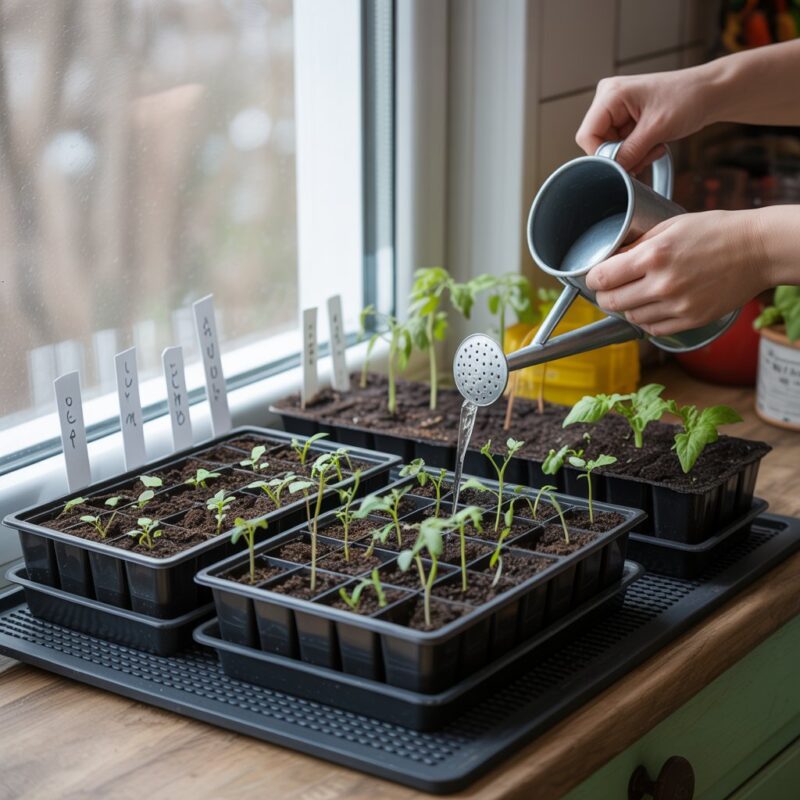
If you’re in a northern zone (5-7), January is all about starting seeds indoors. It’s still pretty chilly outside, so bringing your hopeful sprouts inside makes perfect sense. Southerners in zones 8-10 might already be direct sowing, taking advantage of milder temperatures. Forget about transplanting outdoors just yet!
- North (Zones 5-7): Your focus should be on indoor starts. Tomatoes and peppers are classic choices, needing that head start. You’ll need to provide warmth, maybe with heat mats to get those seeds kicking.
- South (Zones 8-10): If you’re down south, you might be getting outside ready for direct sowing. Broccoli, cauliflower, and lettuce can often handle the coolness well. Herbs like cilantro might be getting some love too. Maybe some pansies for early blooms?
Tip: Got that indoor setup? Keep an eye out for heat mats, especially for tomatoes and peppers. Down south, mulching can help protect against those occasional, mild freezes.
February: The Early Bird Catches the Worm… or the Seed!
As winter holds its grip for much of the country, February is about planning and getting those early seedlings going. The North is still warming up slowly, while the South is picking up pace.
- North (Zones 5-7): Keep those seeds coming indoors! Onions and leeks are good candidates for indoor starts. Maybe try some parsley seeds too. Snapdragons might be getting some attention.
- South (Zones 8-10): Peas, spinach, and carrots can often be planted directly now. Dill might be popping up. Sweet peas could be getting sown for a lovely summer display.
Tip: If you’re aiming for precision, check out the 30-year frost data from NOAA. It might surprise you!
March: Spring is Here!
Ah, March! The air is getting warmer, and for many northern zones, the last frost date is often passed. Southerners are likely basking in the warmth, transitioning towards summer crops.
- North (Zones 5-7): Time for more outdoor planting! Peas, lettuce, spinach, and radishes can handle cooler soils. Chives might be joining the party. Maybe a mix of colorful flowers like kaleidoscope mixes.
- South (Zones 8-10): Tomatoes, beans, and corn transplants are likely thriving outdoors now. Basil is probably outdoors enjoying the heat. Maybe starting some zinnias for later.
Tip: Row covers are amazing for extending the growing season in cooler zones. They can literally make weeks feel like spring!
April: Planting Prime Time!
This is often the prime window for planting across most of the US. The chill is fading, and the sun is stronger.
- North (Zones 5-7): Broccoli, cabbage, and potatoes are likely getting into the ground now. Maybe some oregano establishing itself. Foxgloves might be getting planted.
- South (Zones 8-10): Okra, sweet potatoes, and eggplant are probably out in force. Mint might be spreading its lovely fragrance. Sunflowers are likely up and growing tall.
Tip: If your soil is heavy clay (common in the Midwest and parts of the South), amending it with compost is a game-changer. It helps with drainage and keeps it loose.
May: The Heat Builds
First frosts are definitely behind us now. Warmer weather is definitely here, especially down south.
- North (Zones 5-7): Beans, cucumbers, and squash are likely getting planted. Sage might be finding a spot. Cosmos could be getting sown for cheerful blooms.
- South (Zones 8-10): Look for heat-tolerant veggies like Malabar spinach or yardlong beans. Lemongrass might be thriving. Hibiscus flowers are probably in full swing.
Tip: Drip irrigation is fantastic for hot, dry climates, like the West or the South. It keeps the soil moist without encouraging fungal issues.
June: Peak Season!
Summer heat is definitely here. Choose varieties that are bred to withstand heat without bolting (going to seed too early).
- North (Zones 5-7): Beets and carrots are good for succession planting now. Thyme might be established. Marigolds are popular for summer color.
- South (Zones 8-10): Pumpkins and winter squash are getting planted now. Rosemary should be happy. Vinca offers nice ground cover.
Tip: In humid areas, especially the Southeast, heavy mulching is key to keeping weeds at bay. It’s a huge help!
July: Mid-Summer and Thinking Ahead
Cooler evenings might be here for the North, but the heat is still intense for most. This is when you start thinking about the fall harvest.
- North (Zones 5-7): Broccoli and Brussels sprouts might be maturing now. Cilantro could use some shade or might be getting ready to bolt. Asters are flowering now.
- South (Zones 8-10): Collards and turnips might be getting planted for fall. Arugula could be shaded to prevent bolting. Salvia (like autumn sage) might be blooming.
Tip: If you’re worried about bolting in hot weather, providing some shade cloth can make a big difference, especially for sensitive plants.
August: Fall Prep Underway
North is feeling the cooling trend, maybe even starting to slow down planting. South is still buzzing, almost like spring!
- North (Zones 5-7): Focus shifts to cool-season crops: spinach, lettuce, and garlic planting. Parsley might be getting sown for fall harvest. Mums are starting to look lovely.
- South (Zones 8-10): Broccoli and cauliflower might be getting planted now. Maybe some cabbage or Brussels sprouts. Fennel could be finding a home. Calendula is often planted for its cheerful flowers and pest-repelling properties.
Tip: Cover crops like winter rye are excellent for Northern gardeners. They help protect the soil and add organic matter when tilled in next spring.
September: Harvest Time and Cool Crops!
Fall is really getting into gear. Enjoy the bounty!
- North (Zones 5-7): Radishes and mache (corn salad) are often harvested now. Chervil might be ready. Violas (primroses) can offer some winter color.
- South (Zones 8-10): Broccoli and peas might still be cropping well. Maybe starting some microgreens indoors for a quick hit of greens.
Tip: Cold frames are fantastic for extending the harvest season in zone 6 and north. They protect plants from the coldest nights.
October: Looking Ahead to Winter
First frosts are definitely possible for the North now.
- North (Zones 5-7): Focus is on hardiness: leeks, kale, and garlic sets (for next year) are being planted now. Perennials might be getting divided or planted. Spring bulbs are being tucked into the soil for next year.
- South (Zones 8-10): Maybe one last push with lettuce or beets before the coldest part of winter sets in. Herbs like oregano can be refreshed from cuttings or divisions. Maybe some snapdragons for cool-season color.
Tip: For zone 6 and above, hoop houses can be a game-changer for overwintering greens or starting very early spring crops.
November: Holding Court for Cool-Season Lovers
The North is mostly resting, but indoor activity ramps up. South continues to enjoy planting.
- North (Zones 5-7): Indoors is the place! Microgreens are a popular project. Maybe starting scallions or other root vegetables for regrowth. Paperwhites can be forced for winter blooms.
- South (Zones 8-10): Still planting cool things like spinach or carrots. Herbs like cilantro might be getting a final planting. Maybe some violas for cool days.
Tip: Straw mulch is excellent for insulating roots in colder zones during the winter months.
December: Year-End Reflection
Even if the ground is frozen, there’s always something happening! Reflect on the year, plan for next, and keep those green fingers busy.
- North (Zones 5-7): Keep those herb seedlings growing indoors. Maybe pots of thyme or other winter herbs. Maybe starting amaryllis bulbs for forced blooms.
- South (Zones 8-10): Kale and broccoli might still be going strong. Parsley could be thriving. Maybe some winter annuals are finding their footing.
Tip: Seriously, take notes! Jot down what worked and what didn’t. Crop rotation is a gardener’s best friend for keeping pests and diseases in check. Happy planting!