
How do I correctly prune lavender to keep it young?
Pruning lavender… sounds simple, right? You just cut it back, right? Wrong. Or maybe… maybe you’re doing it wrong? Getting that lovely, bushy lavender you started from seed two years ago? It’s rewarding, but keeping it young and vibrant takes a little know-how. You don’t just clip the flowers off; you need a plan, a rhythm, really.
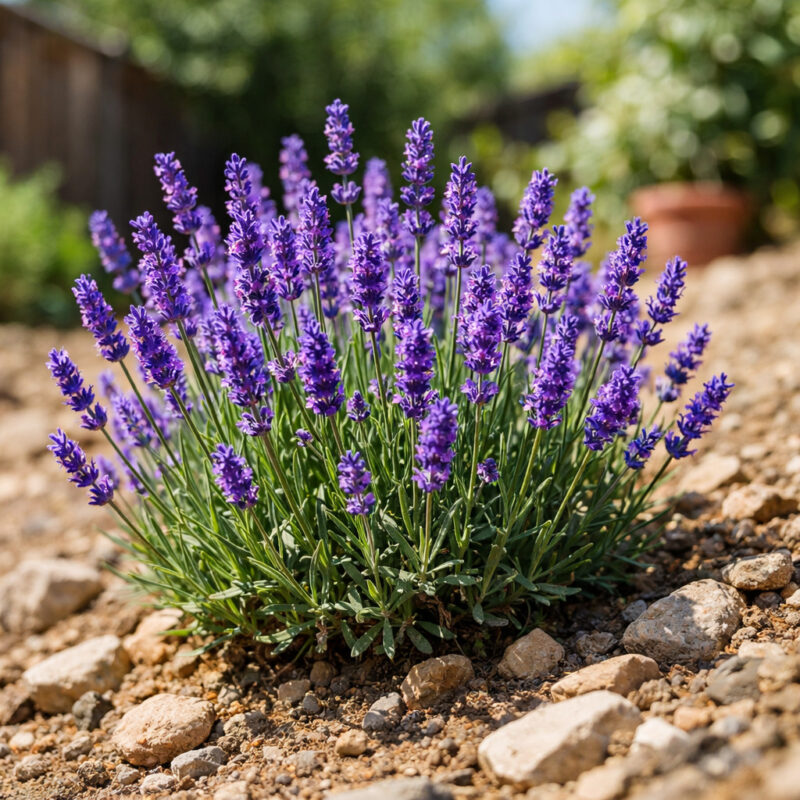
I’ve found that a smart two-step pruning schedule is the golden ticket to keeping your lavender looking fresh and feeling young for ages. Think 10, maybe even 20 years of happy growing!
So, let’s break it down. The first step happens in late summer, around August or September. This is the maintenance prune. What are you aiming for? Removing roughly one-third of the plant’s overall volume. That’s the “1/3 Rule.” And it means snipping off all those spent flower stalks too. Honestly, you want to be pretty thorough here. This isn’t just about looks; it prepares the plant for winter, making it more compact so heavy snow won’t bend it out of shape. It’s a bit like giving it a winter coat, minus the fluff.
Then, the real magic happens in spring. Late March is usually the sweet spot, once the frost danger has passed. This is the radical spring prune, the one that really keeps it young. You need to cut the branches pretty low, right down to the base. The key is the “Living Bud” Rule. Always leave at least one healthy green bud or shoot below your cut. If you accidentally nip into old, dry wood with no buds showing, you might just end up with that bare, leggy look you’re trying to avoid. But get this right? Pruned properly in the spring, your lavender will often just… explode. You’ll see fresh green growth popping up within weeks, filling out the shape beautifully.
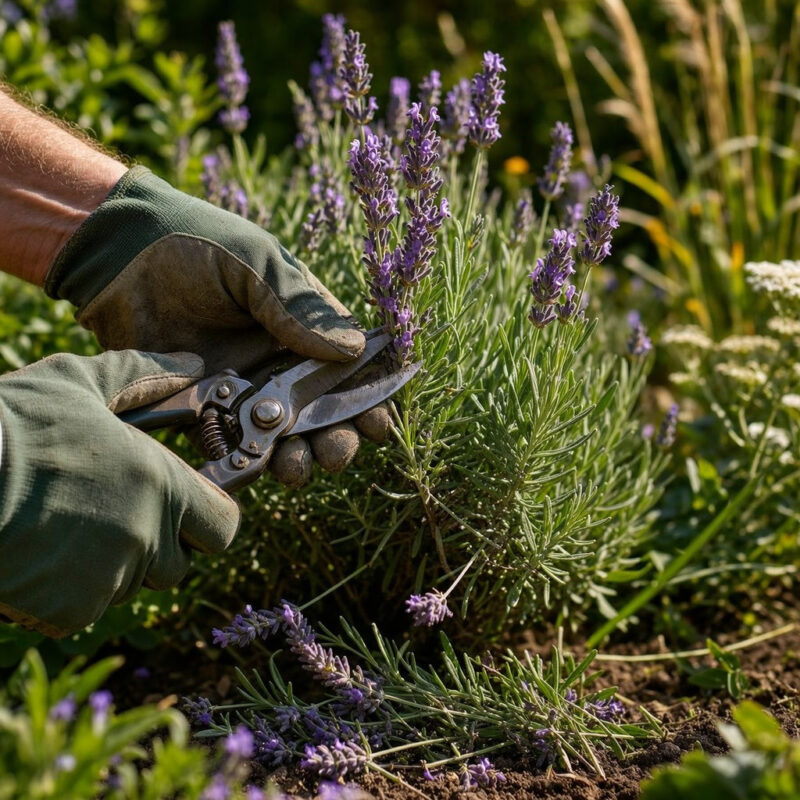
And let’s talk shape. If you’re aiming for that neat little ball you see in garden centers, you’ll need to prune unevenly. Give the outer, side branches a shorter trim, but leave the central ones slightly longer. This creates that natural, rounded form as the new growth fills in.
Now, don’t forget your tools. Keep those shears sharp and clean. A quick dip in alcohol between plants helps prevent the spread of any nasty diseases. Got lots to do? Larger hedge shears might be your friend, but for that precise spring work, smaller hand shears give you more control.
Is that the right time for you? It’s easy to wait, thinking lavender just needs a little neglect. But here’s the thing: once it gets woody, with that bare wood over 30-50 cm thick, it’s often too late. It won’t bounce back to that young, lush state. That’s why sticking to the routine is so important. It keeps the foliage dense and aromatic, prevents that leggy appearance, and keeps your lavender vibrant for years to come.
It really does make a difference. Good luck!