
How do I care for lavender differently in pots versus gardens?
Let’s talk about growing lavender, because it’s fantastic, but it’s not always straightforward. You can grow it in the ground or in pots, and honestly, while the sun and pruning principles are pretty similar, there are some key differences you need to know about, especially concerning water and soil.
First off, watering is probably the biggest deal. Lavender comes from the Mediterranean, where it’s generally dry. It doesn’t like soggy feet.
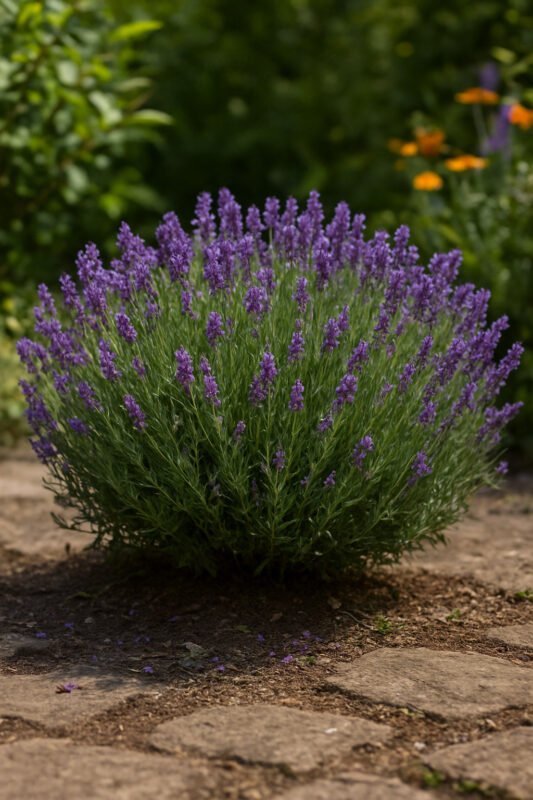
- In the Garden: Once it’s established, it usually doesn’t need much watering at all. It loves that stony, well-drained soil that lets water soak away quickly. Think of it as a plant that’s content with a little bit of thirst rather than a lot of water. It thrives when the soil dries out between waterings.
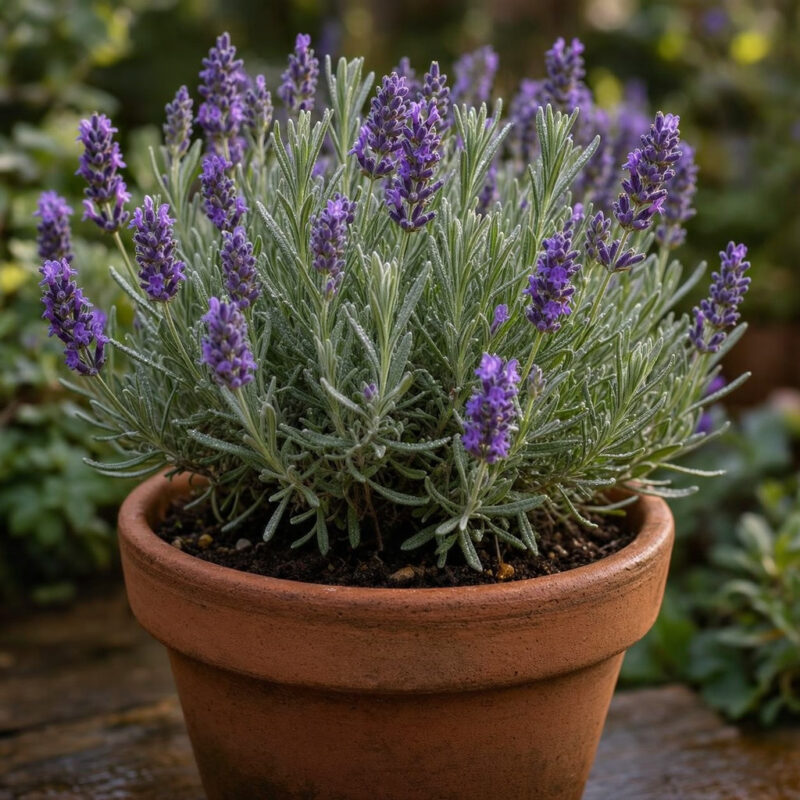
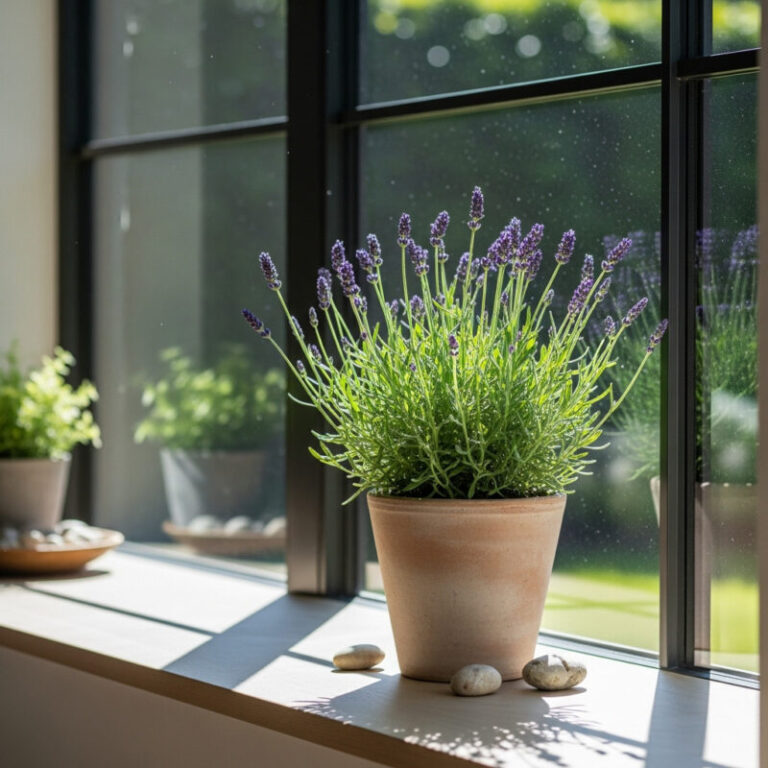
- In Pots: This is where you really have to be careful. The biggest enemy is retained moisture. Pots can hold water like little reservoirs, and that’s not good for lavender. I’ve seen some people put saucers under their pots thinking it’s decorative, but that’s a bad idea because the water just sits there. You should never do that. And when you make the pot, drainage is non-negotiable. You absolutely need a layer of gravel or broken pottery at the bottom to ensure excess water can escape. Otherwise, you run the risk of root rot, and that’s no fun.
Now, let’s talk soil. Both environments need something specific, but growing in pots gives you a bit more control.
- In the Garden: Lavender just wants that well-drained, perhaps slightly alkaline-ish soil. It feels comfortable in spots that are naturally sloped or stony, where water doesn’t pool. It doesn’t demand rich, peat-filled soil; it prefers something a bit lighter.
- In Pots: Here, you can be more deliberate. A good mix often includes white peat (less acidic than the black stuff), some clayey soil (like from a molehill works fine), and definitely some added grit. Perlite or small stones are great additions to keep the mix loose and prevent it from becoming too compacted, which can be stressful for lavender. You’re essentially creating a custom, well-draining mix in a contained space.
Pot size and repotting are also considerations because you’re growing lavender in a confined container.
- Pot Size: You don’t need a huge pot. In fact, starting too big is a mistake. If the pot is oversized, the lavender will put its energy into growing roots to fill the space instead of developing those lovely aromatic leaves. A pot that’s roughly 17-20 cm across is often perfectly adequate when starting out.
- Repotting: Because the soil gets used up and pots can get a bit crowded, it’s generally a good idea to lift and refresh your potted lavender every couple of years. You’ll move it to a slightly larger pot, giving it a bit more space, but not so much that you encourage root-bound problems.
Location and protection also play a role.
- Gardens: Lavender just wants sun, lots of it. The sunniest spot available is usually best. You can enjoy its lovely scent as you walk past, maybe even make a habit of passing by to appreciate it.
- Pots and Winter: This is especially important for certain types. Some lavender varieties, like the French kind, are a bit tender and might struggle with severe frost in pots. The advantage of container growing here is flexibility. You can move them to a protected spot or bring them indoors for the winter, which might not be as easy with plants directly in the ground.
But wait, what about pruning? Great question! The core principles are the same for keeping lavender young and bushy, whether it’s in a pot or the ground.
- Late Summer (August/September): Give it a trim, removing about one-third of the plant’s volume, including spent flowers. This keeps it neat and helps it survive the winter.
- Late Spring (March): This is the heavy stuff. You cut it back pretty hard, down to the base, but always leaving a living bud. It sounds drastic, but it really works!
So, yeah, caring for lavender in pots versus gardens has its differences, mainly around managing water and soil in containers. But once you get the hang of it, it’s just another exciting way to grow this wonderful plant!
Great content! Keep up the good work!