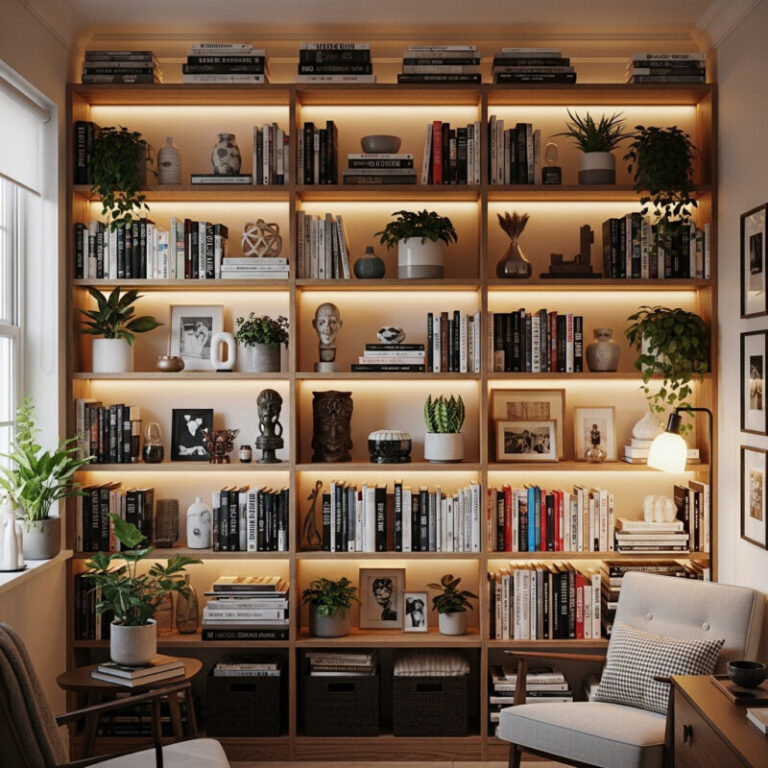
Home Color Psychology: How Colors Affect Your Mood
Picking paint colors is not rocket science… or is it? Sometimes it feels like it is. You stand in front of a tiny chart, the colors look kinda drab, and suddenly you’re overwhelmed by the weight of “color psychology.” Oh, and you have to factor in the natural light, the existing furniture, and maybe whether you just want to curl up with a good book or tackle the world in that room!
But let’s break it down a bit, shall we? It’s not just about picking a color because a design guru told you to. It’s about you. It’s about how you feel when you walk into a space. It’s the feeling you want to cultivate.
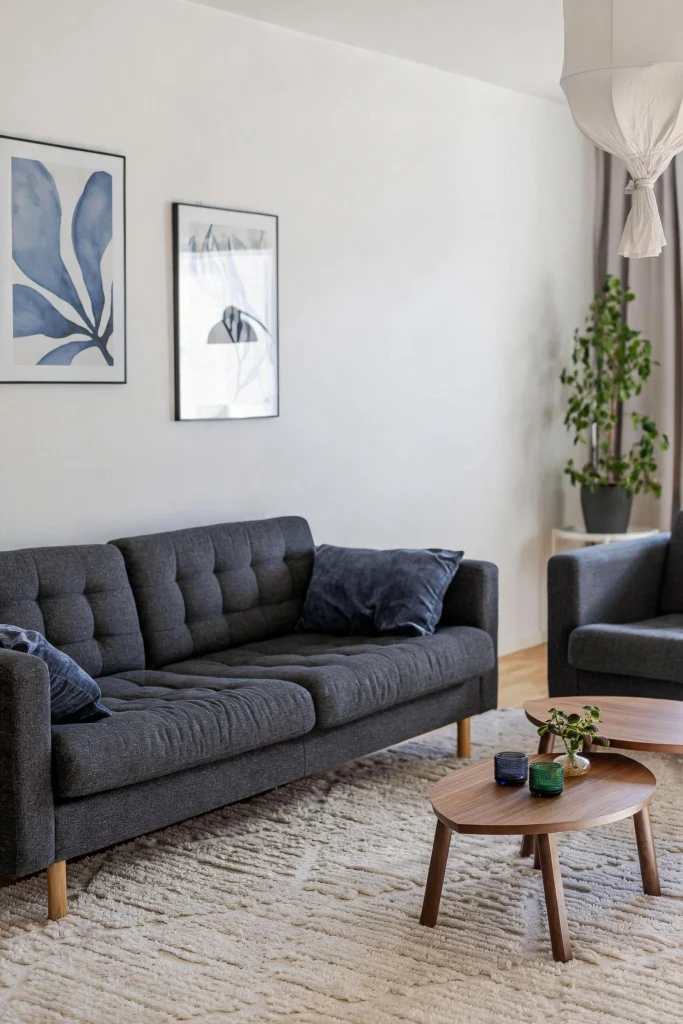
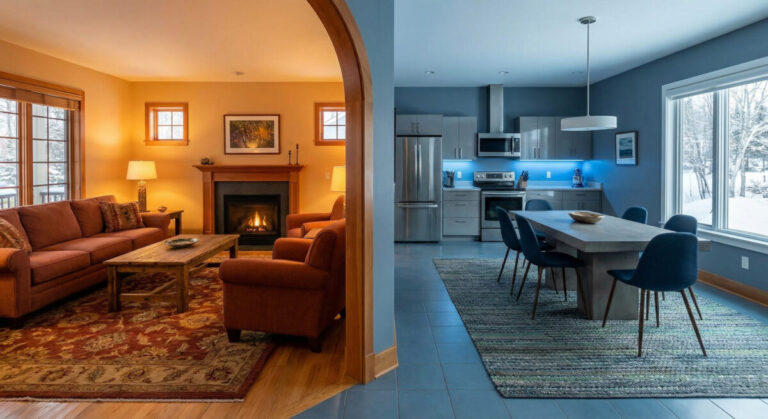
Think about your living room. What’s the vibe you’re aiming for? Cozy? Energetic? Serene? Maybe it’s somewhere in between. That desired feeling is your starting point. Forget those big, scary terms like “dominant color” for a minute. Instead, think of it like this: what color makes you feel like you’re having your morning coffee on the sofa? Or what color makes you want to dive into a deep work session?
A Little Color Science (Without the Snooze)
Color does affect us. It’s not just a pretty decoration trick. Warm colors like reds, oranges, and yellows tend to make a space feel more inviting, energetic, and sometimes even a bit smaller. Think inviting kitchen splashbacks or a cheerful breakfast nook. Cool colors like blues, greens, and purples often make spaces feel larger, calmer, and more refreshing – maybe perfect for a bedroom or bathroom where you want to unwind.
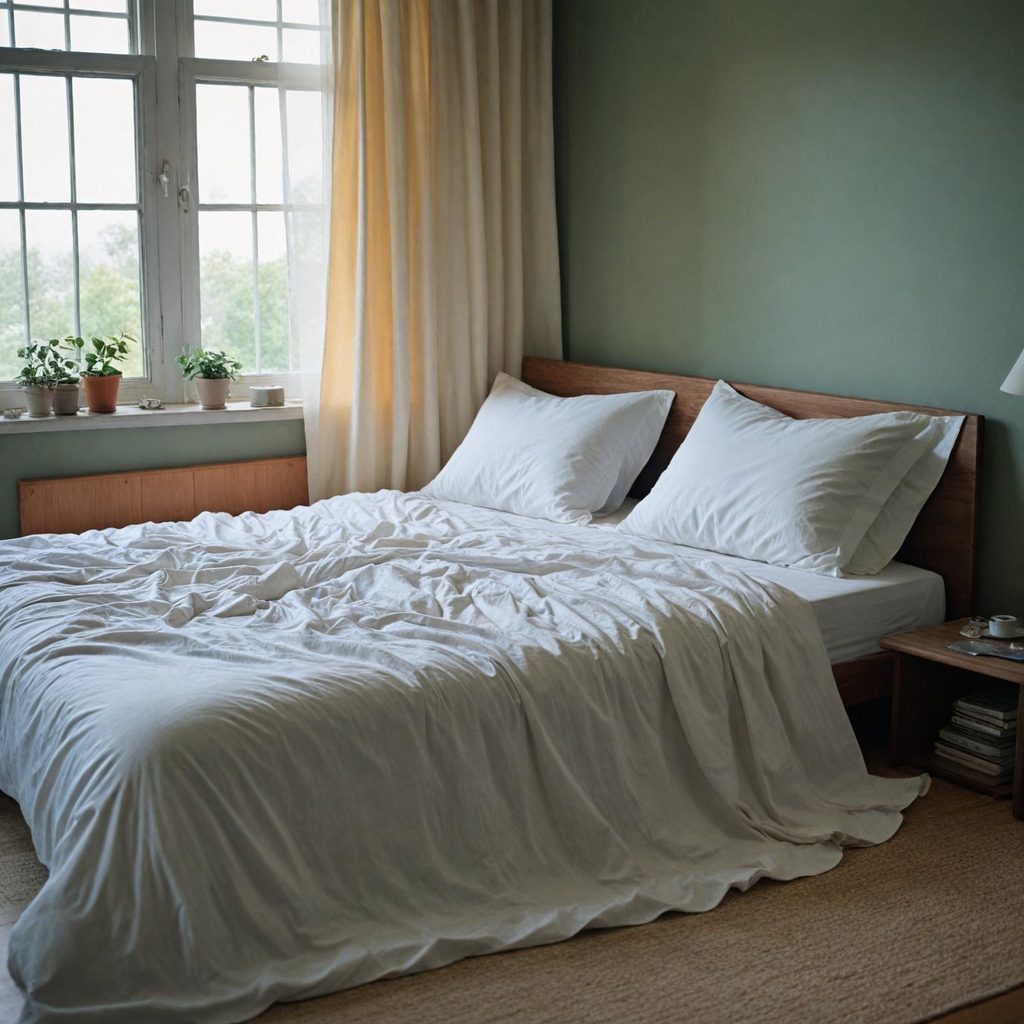
But here’s the kicker: it’s your reaction that matters most. Does a bright coral always make you feel happy? Maybe not. Maybe you find it overwhelming. That’s why I always say, test it! Get a sample paint and put it on a small section of your wall. Stand back. Does it feel right to you? What does it look like in the light of noon and then again at dinnertime? Does it match the mood you want to set for your morning coffee?
Avoiding the Pitfalls (Because Let’s Be Real, Mistakes Happen!)
Okay, so you’re excited, maybe a bit nervous. Here are some common traps to steer clear of:
The Magical Wand Syndrome: You see a beautiful color in a glossy magazine or a designer’s house, and boom! You pick it. But lighting in that glossy image might be different from your home. Real talk: Test it. Seriously. Get samples. Put them up. Look at them. Live with them for a few days if you can. Does it still sing to you?
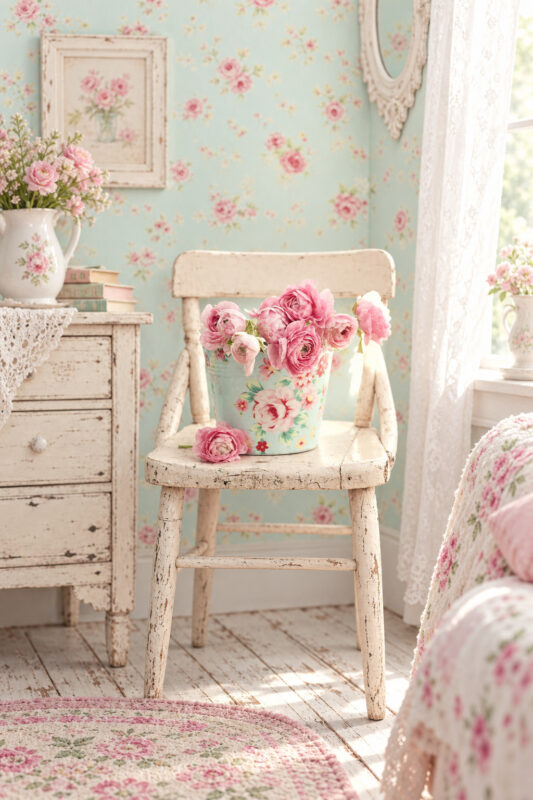
Color Clashes (The Silent Drama): That gorgeous sage green wall might clash horribly with your lovely, warm wood floors or your crisp white kitchen cabinets. Pay attention to undertones. That “cool” blue might actually have a subtle yellow cast that makes it look weird next to your warm-toned furniture. It’s about finding harmony.
Too Much of a Good Thing (Or Not Enough): Want to go all out? That’s cool. But sometimes one strong color can dominate the room. That’s where the classic “60-30-10” rule can be your friend (think of it as a suggestion, not a prison sentence!):
60%: Your biggest player – maybe the walls or the main feature.
30%: Your supporting act – think furniture, curtains, maybe a feature wall.
10%: Your pop star – accents, cushions, artwork, lampshades.
This helps create balance without everything looking like a coordinated sales brochure.
Ignoring the Room’s Purpose: Your home office needs a different vibe than your playroom or your serene bedroom. Don’t force a cozy palette into a space that needs energy, or a bold statement into a room meant for relaxation. Ask yourself: What does this space need to feel?
Beyond the Basics: Bringing It to Life
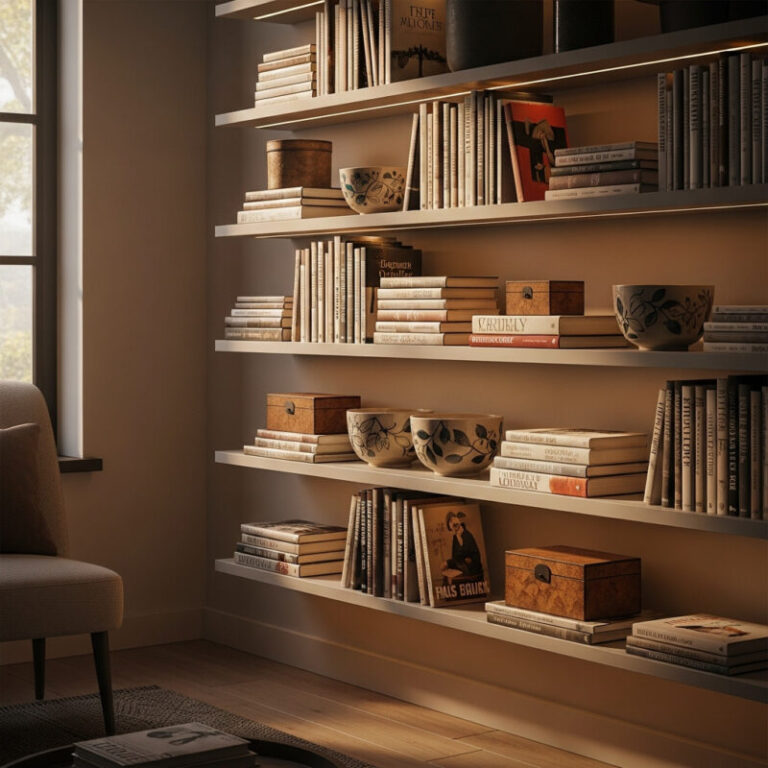
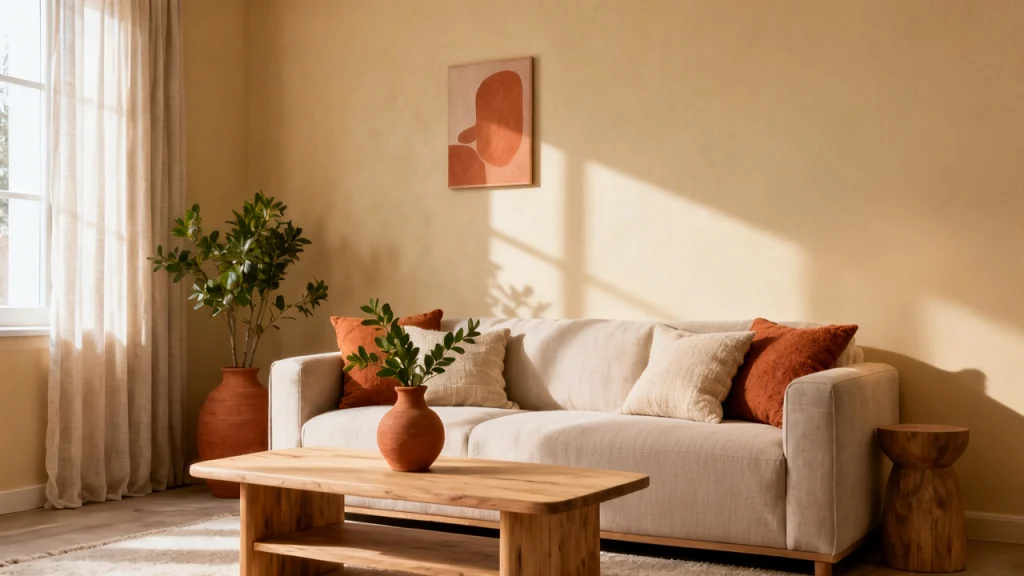
Okay, you’ve picked your colors. But what about the texture? A room full of flat, boring finishes can feel lifeless. Introduce some personality! Think wood grain, linen curtains, a chunky rug, maybe some metallic accents. Texture can completely change how a color feels.
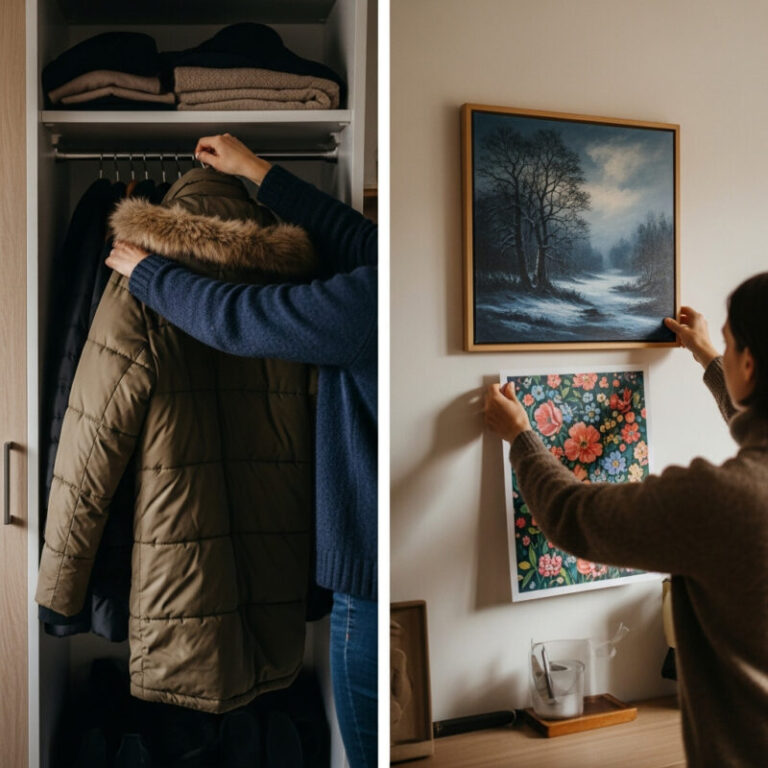
And remember, it’s okay to start small. Got a room you’re unsure about? Swap out cushions, throw a new rug, hang a different piece of art. Test the waters. See how you feel. You don’t need to commit to full-on redecorating right away.
The Takeaway: Your Home, Your Feelings
Choosing the right colors isn’t about following a strict rulebook. It’s about understanding you, understanding the space, and understanding how color makes you feel. It’s about creating environments that support your life and your mood.
So, take a breath. Think about your ideal feeling. Consider the light. Test things out. Maybe even ask a friend what they think. But ultimately, trust yourself. Which color makes you feel most at home? Because honestly, that’s the one that matters most.