Minimalist Small Home Setup Ideas That Actually Work
Minimalist Small Home Setup Ideas: Decluttering and Functionality for Tiny Spaces
I’ve always thought of minimalism as more than just a trendy way to decorate. For me, it’s genuinely about stripping away the unnecessary stuff and keeping what serves a real purpose, especially when you’re living in a small space. Whether it’s a compact studio or a downsized house, figuring out how to make everything work efficiently can totally turn your place from a collection of clutter into a calming, organized haven.
The Foundation: Decluttering Basics for Your Small Home
Getting rid of clutter isn’t just about sorting and throwing away. It really is about creating a space that feels intentionally organized *and* functions perfectly for your daily life. Here’s a way to approach those foundational steps:
– Beyond Marie Kondo: Functional Minimalism for Small Spaces
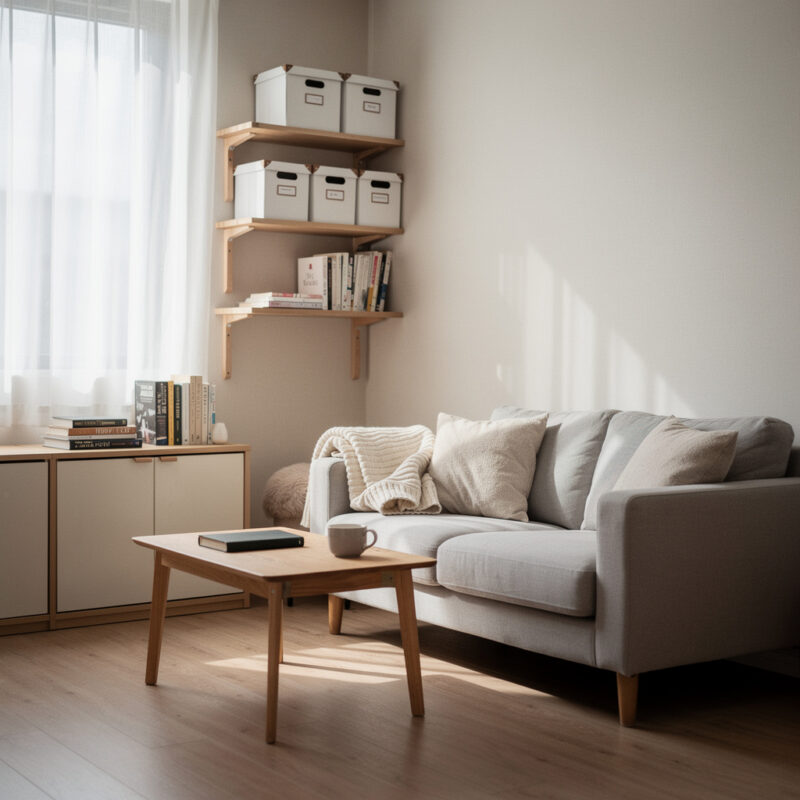
Marie Kondo’s method is great, don’t get me wrong. But functional minimalism in tiny homes goes a step further. It’s not just about loving an item; it’s about ensuring every single thing has a *defined*, clear role. I’ve found it helps immensely – everything has its place, which makes the whole space feel less chaotic and more streamlined.
– The KonMari Method Simplified for Your Tiny Abode
Let’s be honest, the full KonMari Method might take some tweaking for small living. I’ve learned that focusing on categories *does* work, but maybe start with just one or two at a time if your space feels tight. That way, it stays manageable and prevents decision fatigue. Plus, when you keep only items you truly value and find joy in, it does feel good, even with less stuff.
– Identifying Clutter Triggers in Small Living Environments
I think we all experience it – clutter just sort of sneaks up on you. Maybe books just gather naturally, or half-used magazines pile up on the coffee table before you know it. Honestly, these small, persistent accumulations can be killer in a limited footprint. Catching these triggers early, acknowledging them, is key to keeping things under control before the overwhelm happens.
Space-Saving Storage Solutions
With every square inch counting, clever storage is non-negotiable. I’ve gathered some ideas that have genuinely worked well:
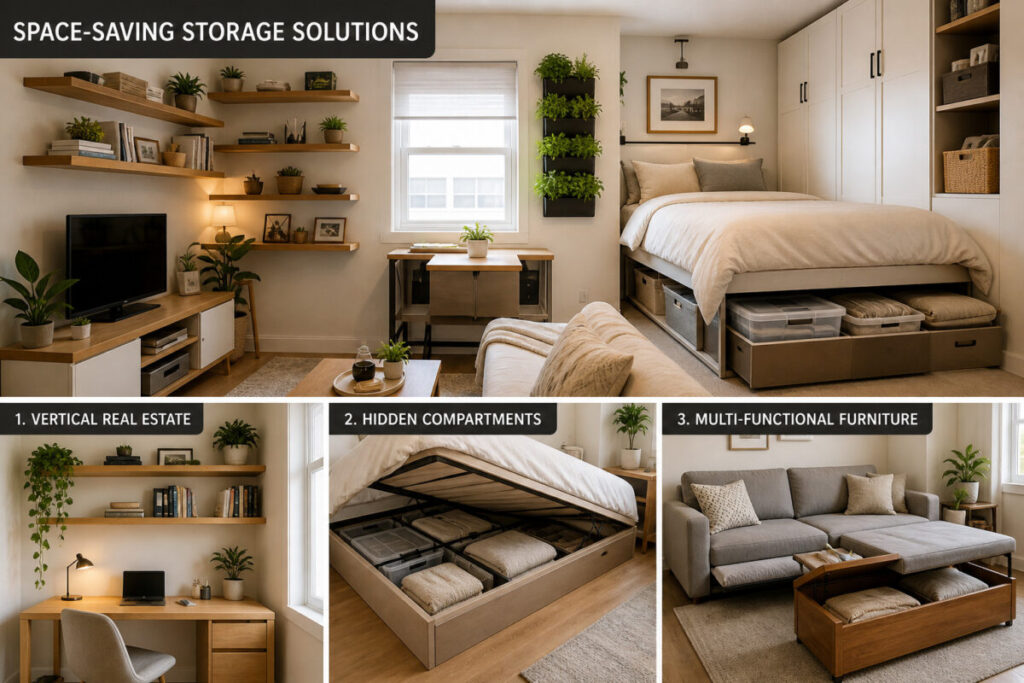
– Vertical Real Estate: Using Walls and Ceilings
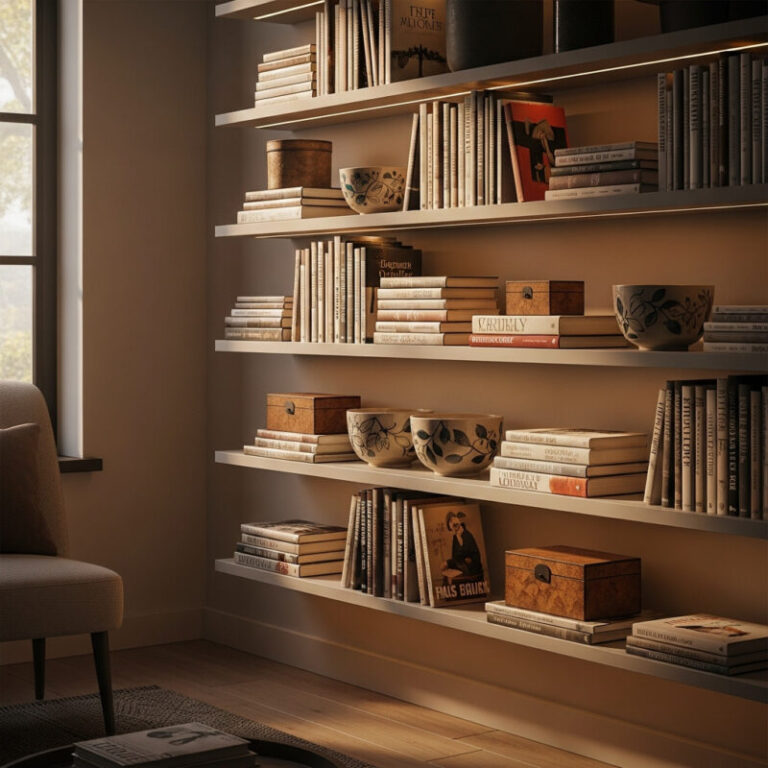
Seriously, your walls and ceilings are your secret weapon. I’ve hung floating shelves for books, decorative bowls for odds and ends, and even a small herb garden – it keeps things off the floor, where they can easily get walked into or clutter the main space. Honestly, it’s amazing what you can tuck up high!
– Hidden Compartments & Under-Used Areas
Every small room has those awkward corners and forgotten spots that aren’t obvious. I totally swear by those under-bed storage containers (you know the ones). Perfect for stowing away seasonal clothing or bulky items you don’t need daily. It feels like magic freeing up usable floor space elsewhere.
– Multi-Functional Furniture: One Item, Maximum Use
This is probably my favorite trick. Furniture that does double or even triple duty is pure genius. A sofa bed? Game changer for guest space and saving floor area. A bench with storage underneath? Instant chair + closet space saver. These types of pieces feel smart and efficient – definitely less furniture to buy, meaning less footprint for the same utility.
Creating a Minimalist & Functional Interior
True minimalist living isn’t just about looking spick-and-span; it’s about ensuring everything *works* for you. Here’s how to achieve that balanced look and feel:
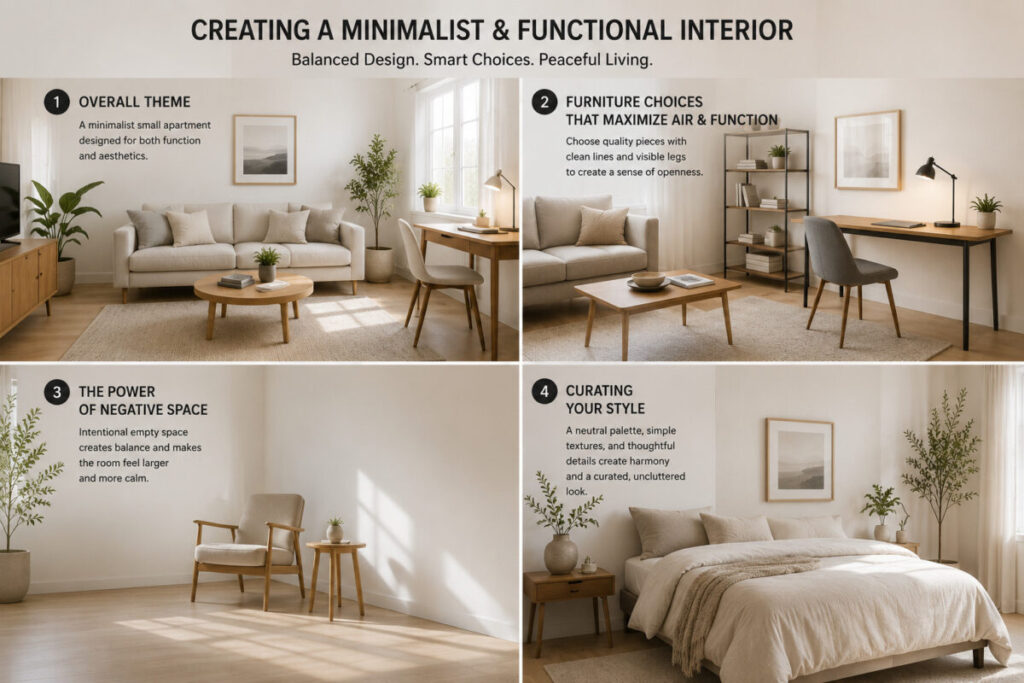
– Furniture Choices That Maximize Air and Function
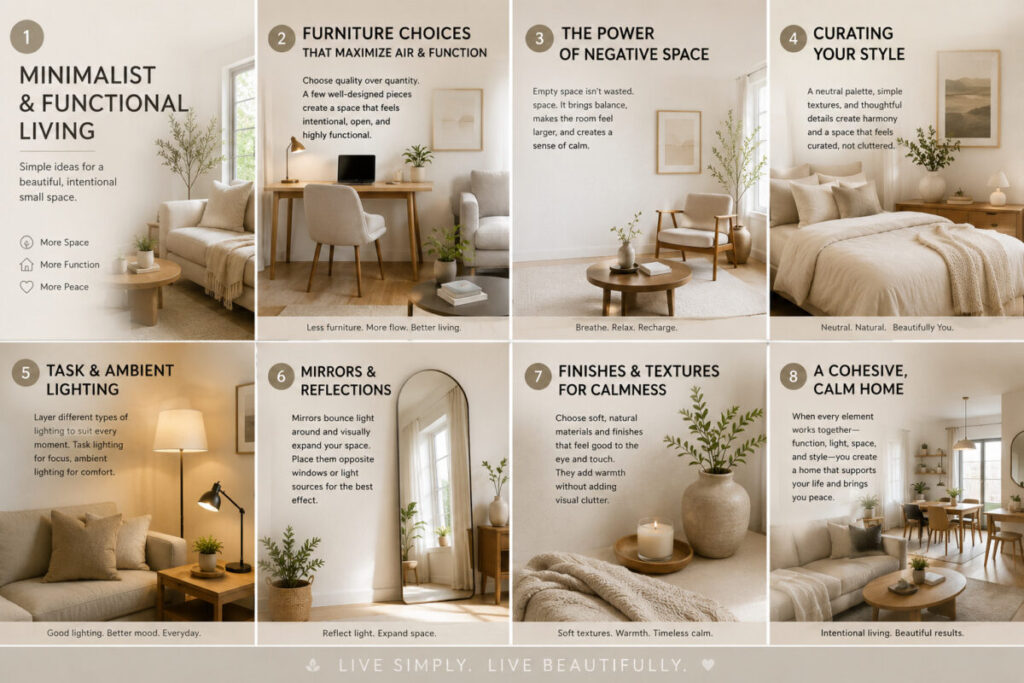
Selecting pieces wisely makes a huge difference. I lean towards quality over quantity, finding a few key items you love. Like a simple, streamlined desk or a chair with clean lines – it feels intentional rather than forced. And honestly, the right furniture integrates better, allowing other things to function smoothly too.
– The Power of Negative Space
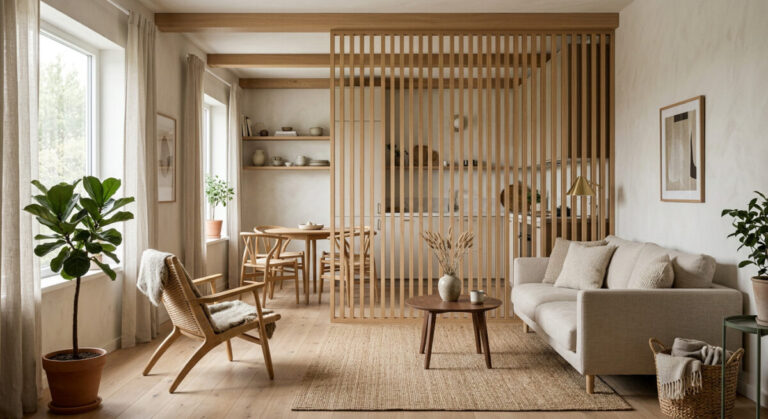
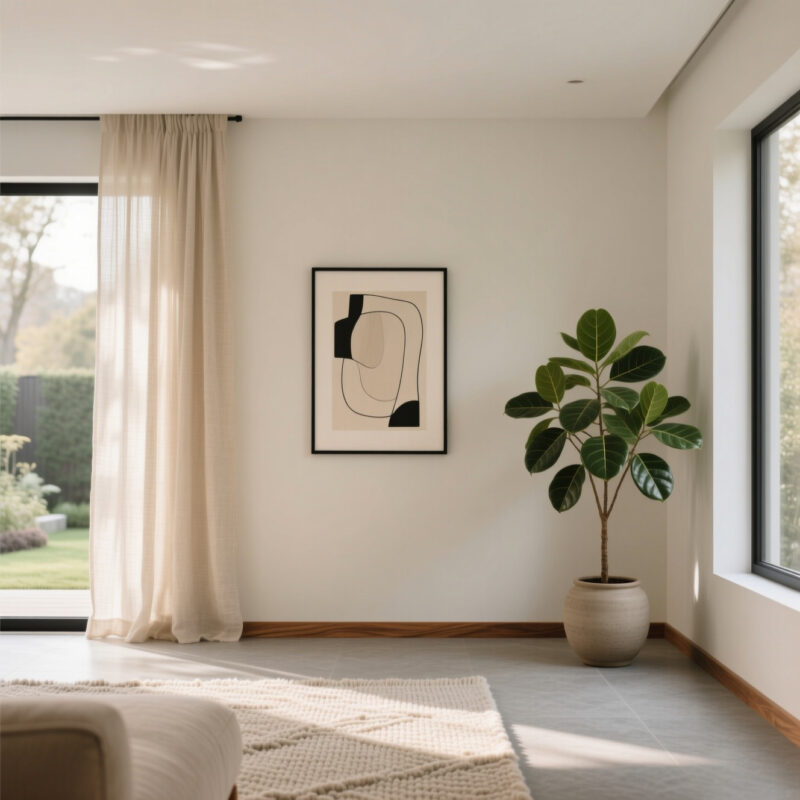
Don’t underestimate the impact of empty space. It sounds simple, but giving yourself permission to embrace intentionally empty areas? It creates balance. In a small room, that deliberate emptiness can make it feel less cramped – sometimes, less *is* more, and finding that balance is key.
– Curating Your Style
Even with limited square footage, a space can feel curated. I find sticking to a neutral color palette and keeping textures simple helps create a sense of harmony. It feels cohesive and uncluttered visually, which contributes to that calm feeling.
Systems for Sustained Minimalism
Getting your space minimal is one thing; keeping it that way requires systems. It’s about ongoing habits:
– Simple Routines for Daily Decluttering & Resetting
Small, consistent habits are the key. I dedicate just five minutes, maybe during my morning coffee, to tidying one small area. It sounds like a tiny step, but it keeps everything under control and prevents that build-up. It’s just a quick reset.
– Labeling and Consistent Put-Back Practices
Clear labeling is actually *huge*. Whether it’s bins, jars, or hooks, labels help everyone (including you!) find things without frustration. I find labeled storage cuts down on unnecessary digging, keeps stress lower, and honestly makes everything just plain easier to get to when needed.
– The One-Task Drawer or Cabinet
Designating specific spots for specific tasks is super effective. I have one drawer solely for electronics chargers and cables, for example. Or another for craft supplies. Having a clear home for everything reduces the mental load of “where is the thing I need?” and keeps the core space clear.
Lighting and Final Touches for a Cohesive Look
Even how you light your space matters significantly. Here are a couple of things I’ve picked up:
– Task & Ambient Lighting
Good lighting isn’t optional; it’s essential, especially in tight quarters. I try to mix different types: direct task lighting for reading or cooking with softer ambient lighting for the room itself. It makes everything feel more welcoming and less harsh.
– Mirrors and Reflections
Mirrors can visually expand a small space. Strategically placing one, maybe opposite a window or light source, really helps bounce light around and makes everything feel brighter and bigger. I used this trick myself and noticed a difference immediately.
– Choosing Finishes and Textures for Calmness
Selecting materials and finishes that feel soft and gentle to the eye and touch is important too. I gravitate towards neutral colors and smooth, calming textures – it adds warmth without adding visual clutter or making the place feel clinical.
Ready to Transform Your Small Home?
These aren’t just abstract concepts; they genuinely work in practice! Seriously, I think you owe it to yourself to try even one or two things. Feeling overwhelmed? That’s totally okay. We’ve pulled together a **free guide**: ‘5 Essential Minimalist Checklist for Small Homes’. Think about it covering decluttering steps, clever storage hacks, and simple organizing tips? It might just be what you need to get started. And if you’re looking for more fuel for the journey, check out our other minimalist home guides online. For visual inspiration, head to our gallery section – it’s packed with real before-and-after transformations you can relate to. Keeping that space fresh is an ongoing process, and sharing tips makes it easier for everyone. I truly believe you can turn even the smallest home into a peaceful, functional sanctuary that reflects *your* specific style and needs. Go for it!